
“Nice bit of skirt.”
“Ah stuff it, will ya?”
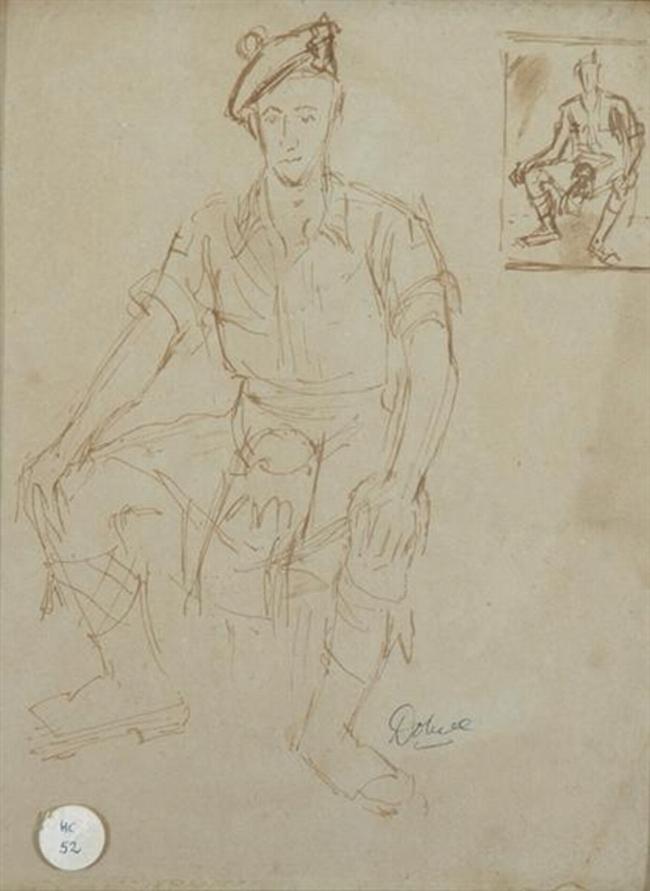
The joke had been aired ten times over and no one was stirred by it any more. And yet it was curious to be wearing a kilt, to be clothed and to feel undressed inside. Four yards of saffron swung from Jim’s hips. Creamy stockings, Scotch cap, white shirt from Lee’s of George’s Street.
A glance beside at Doyler who was tangling with a garter. Dark hairs curled from his stockings, stopping at the knee where the kilt hemmed. He caught Jim’s look and saucily swayed, lifting his hands in a Highland manner. The ribbons from his cap dangled down his neck. All about the white shirts glared with newness, giving to everyone a bright and flourishing air.
“What cheer, eh?”
“Grand,” said Jim.
The usual must of the school commons was thickened with the sweat of unclothing. Over the benches lay shirts and gallused trousers, and the chatter and chaff was like many drums and many fifes and many boys and mayhem.
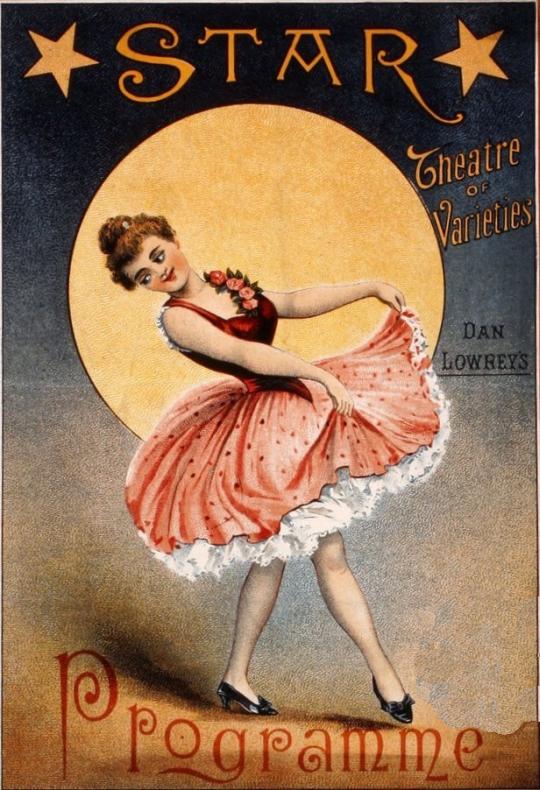
“Are we to be a marching band now, Brother?”
Brother Polycarp was at the blackboard where he was chalking an arrangement of “A Nation Once Again.” “Never fear, boy, when we of Presentation march it will be as gentlemen.” He turned. “Not as an early turn from the palace of varieties.”
“Why the kilts so, Brother?”
“Wouldn’t ye think to be merry enough with your Whitsun gauds, not to be moidering me with speculation?” He rapped his stick on the easel. “Quiet now, men, please. Ye can see the push I’m in. I have this jewel of the Hibernian muse to twist some refinement into it.”
He looked surprised at the effect of his command. Every boy stood stock still. He nodded appreciatively, turned back to the board. Only then did he see the newcomer at the door.
A priest. A young priest, black-suited, with a black felt hat, one hand stiffly in his jacket pocket, thumb hooked outside, the other holding a black breviary, finger keeping the page. So tall, his head had a stoop. Wire-framed spectacles saddled his nose. Oddly, ever so, foreign-looking. Stuck in his lapel, a button with a Celtic cross and words in Gaelic underneath. A young, tall, Irish-speaking priest.
“Dia agus Muire dhaoibh.”
Brother Polycarp was stung into action. “Father Taylor, we had not looked for you.” He strode the floor, offering his hand. “Boys, let me introduce the new curate at St. Joseph’s. Father Taylor has taken a keen interest in our musical diversions. Already he has provided us a costume. It will be a great treat, Father, to hear the boys play uniformis for the nonce.”
The priest smiled generously at the brother while he released his hand from his shake. “Dia agus Muire dhaoibh,” he said again.
No one answered.
“Did ye not hear me, boys? Dia ... agus ... Muire. God and Mary be with ye.”
His nose pecked before him as he spoke, crossways, as though each of his eyes required independent view.
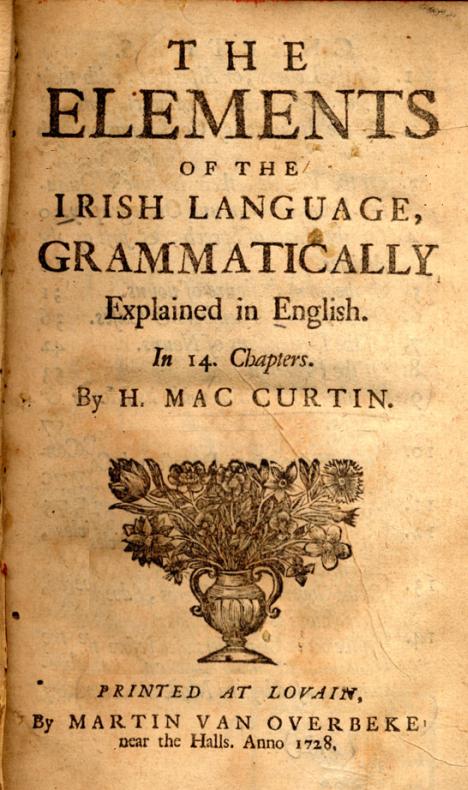
“Have ye no Gaelic?” Silence. “No boy?” Mounting silence. “No Gaelic at all in the vaunted college of Presentation?”
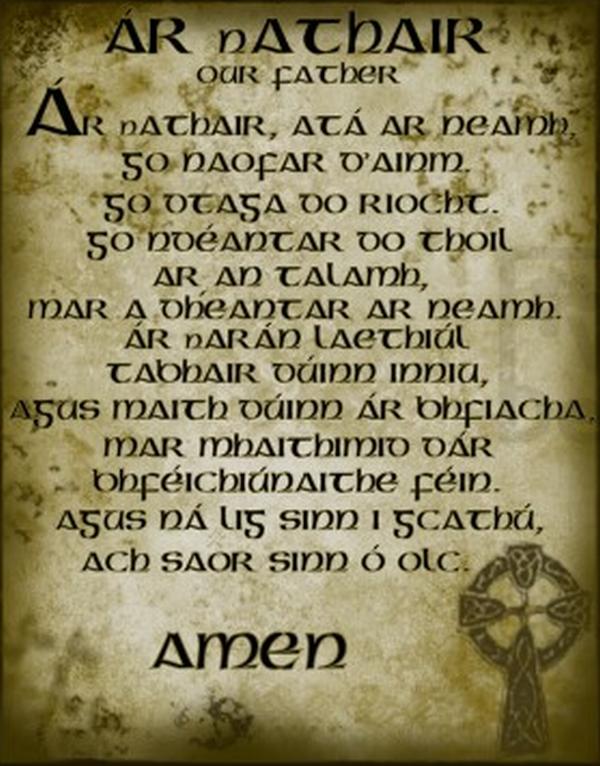
At last Doyler spoke. “Dia ’s Muire dhuit ’s Pádraigh, a hathair.”
Clap went the priest’s hands. “Did ye hear that, boys? God and Mary and Patrick be with you. Such is the response appropriate to my greeting, indeed the only response for an Irishman. For, as ye know or had ought to know, the Irish tongue may not speak but it utter a prayer. Good man for yourself. Good boy. There’s one true Irishman amongst ye, I am pleased to hear. Though, if I am not mistaken, you are not of Presentation?”
“No, Father.”
“It would seem, Brother Polycarp, this is not the unmingled elect you had led us to believe. Sigh síos.”
They followed Doyler’s lead and sat down. The priest dusted his hands together. When he smiled starch had cracked. “Brother Polycarp, I fear we have a way to go yet with the Gaelic. I trust the music is on a firmer footing.”
“For our sins, Father, we persevere.”
“I would not doubt you. Well boys, pace the brother, my name is Father Éamonn O’Táighléir. Ye’ll know I have recently joined the parish here and I have great hopes for us all. Ye’ll be with me in that, boys?”
Yes, Father, they would.
“I hope soon to be coming to know each of ye individually. In a moment we will say a prayer for Ireland and her sequestration from the pagan breaths that on every side assail. In the meanwhile ye might entertain me to a rousing chorus. I believe Brother Polycarp will know the Hibernian jewel to which I refer?”
His head tilted to Brother Polycarp who simpering deflected his glance.
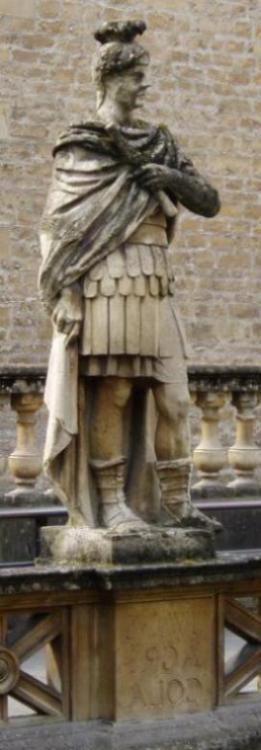
“Though why he should allude to our country by its Latin name, I do not know. Our country which alone withstood the degenerate embrace of the Roman Empire. Perhaps ye can tell me, boys?”
No father, they could not.
“Brother Polycarp, ‘A Nation Once Again,’ if you please.”
The brother suffered his smile to remain. He looked to be chewing on leathery gums. Humbly he bowed. “Welcome though you be, Father, it is unfortunate your visitation should come all precipitate. What with the gimcracks and kickshaws of Mozart and Bach and sundry other euterpean gents, we have not found leisure to give justice to your request.”
“Do you tell me?”
“Another five minutes and we’d have made a fist of it.”
“I believe I take your gist, Brother Polycarp.”
The brother was all condolence till a notion occurred to brighten his guise. “There is, nonetheless, in our repertoire an old galliard that I have on good authority is a stirring Irish tune.”
The pecks strayed from brother to boys. “Any music will serve that stirs the patriotic heart.”
“Stand boys, please,” said Brother Polycarp. He raised his stick, wavered a moment. “Father Taylor, are you sure you would not rather stand with us?”
The priest nodded and stooped to his feet.
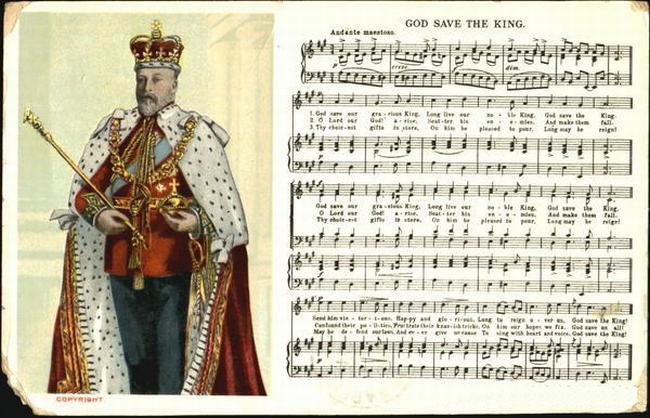
“Very well, boys. A rousing rendition for our new curate, please, of ‘God Save the King.’”